
Tanzania rewards visitors all year, but the right month depends on what you want to see. This guide summarises the seasons so you can pick the window that fits your trip.
June to October: the dry season
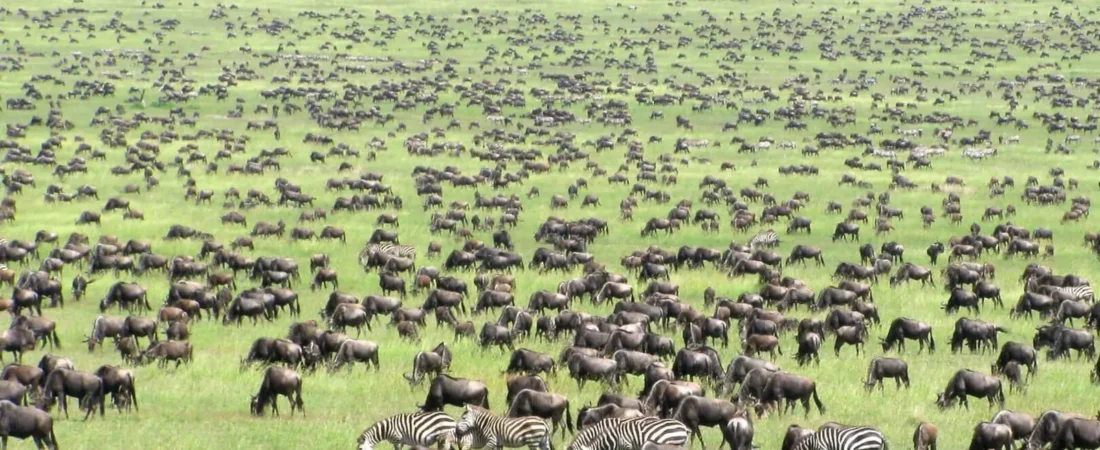
The most popular period. Grass is short, animals gather at rivers and waterholes, and skies are clear. July to September brings the famous Great Migration river crossings in the northern Serengeti. Book lodges early; this is peak season with peak prices.
January to February: calving season
The southern Serengeti fills with hundreds of thousands of wildebeest calves, and predators follow. Warm, mostly dry weather makes this a superb and slightly quieter alternative to the northern peak.
March to May and November: the green seasons
Rains bring lush scenery, dramatic light, newborn animals and the lowest prices. Some camps close in April and May, but for photographers and budget travellers the green season is a genuine opportunity, not a compromise.
Kilimanjaro and Zanzibar
Climb Kilimanjaro in January to March or June to October for the driest trails. Zanzibar is at its best June to October and December to February; short rains in November rarely spoil a beach week.